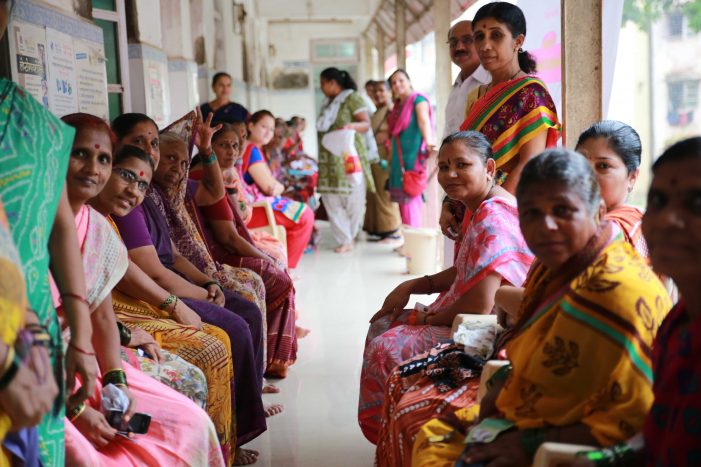
In the development landscape, women-centered programmes are routinely framed as yielding benefits that extend far beyond the woman herself. Titles like “Empower Women; Empower the Next Generation” or “Investing in Women Uplifts Communities” are common. Important strategies and initiatives, packed with the hook of intergenerational ripple effects.
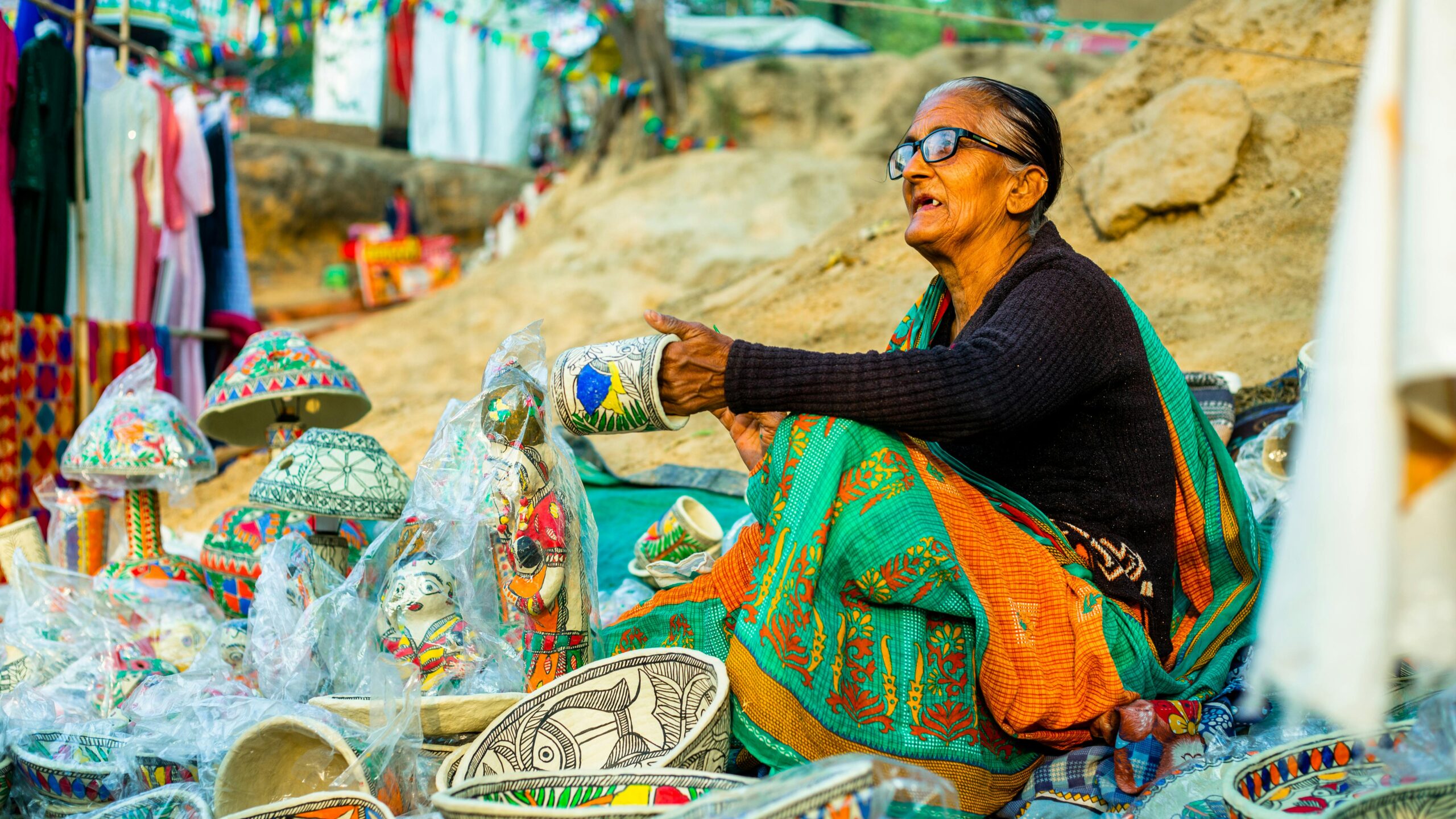
This observation threw my team members into a discussion and made us enquire, “Why do we need this larger selling point? Why can’t it just be – Invest in Women Enterprises; Make a Successful Entrepreneur. Period”
It raises deeper issues: Why can’t we empower women, just to empower and strengthen their entrepreneurship, their financial agency, their literacy and so on.
In current designs, women are not viewed as solitary actors; their roles as caregivers, educators, and economic anchors are seen as inherently linked to family and societal progress. Yet this framing rests on gendered foundations. Patriarchal norms assign women disproportionate unpaid care work and a “motherhood mandate,” casting them as natural multipliers.
A case in point: Evidence shows empowered women reinvest the majority of their earnings into families, fueling broader growth that individual gains alone cannot achieve. Although the indirect social benefits and future cost-savings are what need to be calculated to show positive growth, it must get tiring to keep proving that saving a life to improve someone’s quality of living is only worth it if it is an economically beneficial option. Will men not do the same? While there aren’t many men-exclusive social development programmes, maybe this question remains untested. Would the “greater good” feature in their empowerment narratives too?
However, there is ambivalence. Ignoring the ties women have and uphold with their family and communities can create weak efforts. Isolated efforts which might just be weak in the face of the real social dynamics, power relations and patriarchal resistance. I myself have created methodologies that look at how to develop women without disturbing the social status quo too much. Methodologies that avoid creating too many waves in the ocean or else you would risk the entire programme being cut off, boycotted, rejected, or worse, the women face repercussions. After all, they are the ones who stay back in that society; we leave. And if we think about impact, intended and unintended impact, how it affects their personal, professional, social and cultural spheres are bound to be considered. Impact will inevitably look at the larger picture.
Ultimately, there is no firm conclusion here. It’s merely an observation: Can we attract donors without a larger hook? Can we prioritise the individual and not their capacity or archaic responsibility to care for others? Not leverage their gendered role to make them a catalyst in their own empowerment journey? This is just food for thought; the intention is not to miss the bigger picture but to note a persistent pattern.