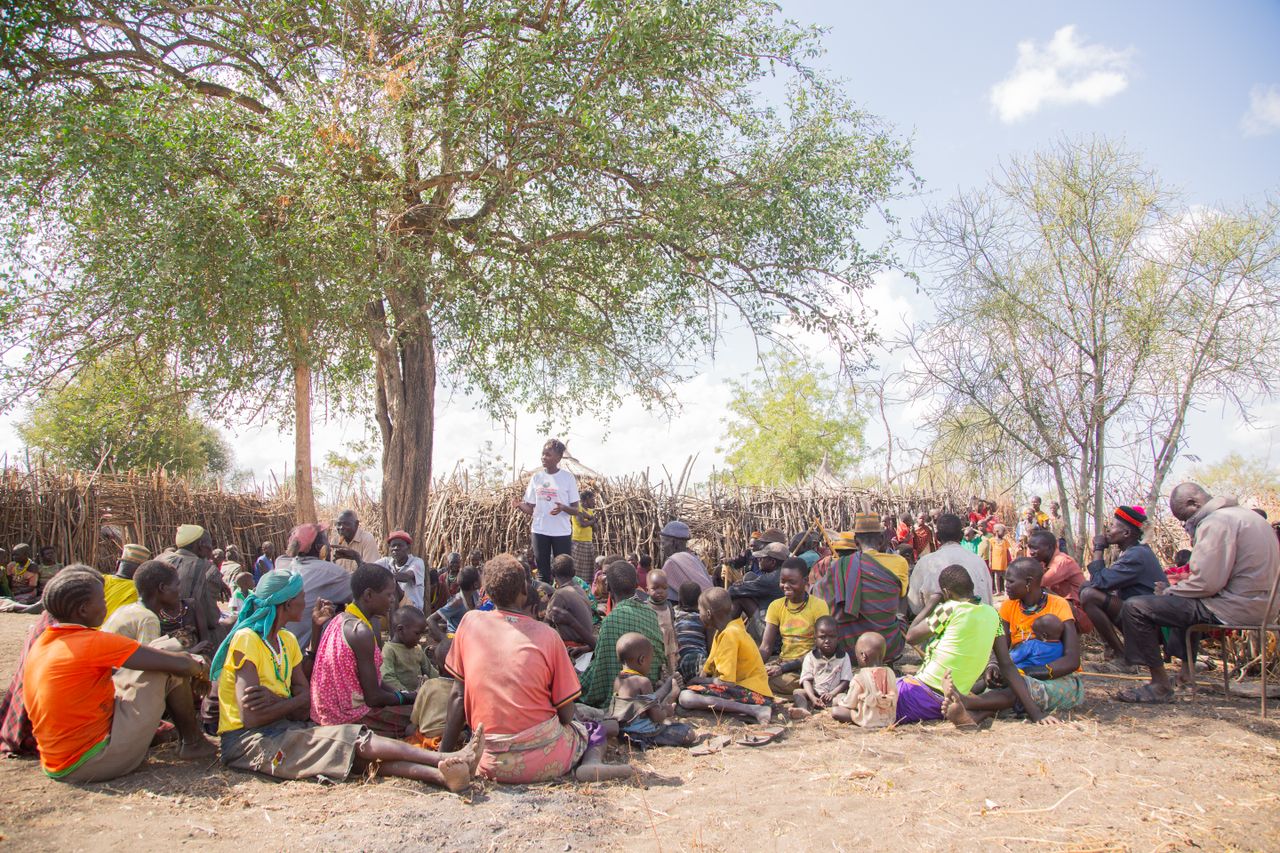
During visits in various tribal regions, I assume we often notice an immediate focus on what “needs to be improved” in these communities. While there’s no doubt that support is essential in many areas to ensure equal opportunities, I sometimes feel that the narrative becomes overly judgmental. It’s easy to critique certain practices without truly understanding the broader context or realising that similar behaviours exist in urban settings too. Another challenge is expecting the change in practices and deeply rooted traditions in a shorter period with irrelevant interventions.
Take, for example, alcohol consumption in tribal areas. It’s a topic of discussion, often with a strong push for reduction through one-year project interventions, usually aimed at creating awareness only. In my conversations with the tribal community, it became clear that alcohol and tobacco consumption is not just an individual choice but also tied to societal norms. I was surprised to learn that in many tribal weddings, serving alcohol and tobacco is almost an unspoken rule. If these aren’t provided, it’s seen as an insult to the guests. This societal pressure makes it incredibly difficult for anyone to abstain, even if they wanted to.
At first, I found myself thinking, “What a severe problem!” But then I reflected on similar behaviours in urban settings. Consider how Bollywood often glamorises alcohol consumption, making it seem inseparable from celebration.
In a movie Vicky Donor there’s a scene during a Punjabi wedding where alcohol is portrayed humorously, with the groom’s mother lost in celebration, sipping rum outside the venue in the ‘Rum Whiskey’ song. When she realises the wedding ceremony has already begun, she hilariously shouts to the other baratis while putting her Whisky glass down, “Oye, band karo! Phere shuru ho gaye, kanjaro!” It’s funny and lighthearted, almost glorifying alcohol as an inseparable part of the Punjabi weddings and celebration. And it doesn’t stop there—countless Bollywood songs glamorise alcohol, making it part of the “fun.”
“Saari raat, saari daaru, saari maine kheench di…wedding hai yaar di toh come party with me”
Or, “Punjabi wedding mein ladkiyan patti hain, daaru chalti hai khuli bantti hai…”
It’s not just limited to Punjabis. Recently, a friend of mine from a Marathi middle-class family was getting married, and to my surprise, he was more stressed about arranging ‘special provisions’ for his close friends than about his own dance performance at Sangeet. He felt immense pressure because he had witnessed these ‘special arrangements’ at his friends’ weddings and didn’t want to fall short in keeping his friends pampered and happy. We’ve all seen how this isn’t just confined to certain socio-economic groups—it spans across the board.
Now, I’m not against these kinds of celebrations (except for when it leads to drunk driving or abuse). What makes me pause is how short term CSR projects approach traditional customs of the tribal. The weird part? Again for example many of these awareness programs/interventions on alcohol consumption target women as the “beneficiaries,” mainly because they’re available in the village, while the actual affected individuals—usually men working far from home—are often overlooked. We’ve all seen those ‘impact photos’ where a group of women and children gather around a banner promoting alcohol reduction awareness. But let’s be real: the majority of these women, often with limited decision-making power in their households, have little control over the problem at hand. It makes you wonder if we’re missing the point entirely. Also as I mentioned earlier, many times it reflected that these interventions were implemented without a proper understanding of the context or root causes. As a result, these efforts often fail because they don’t address social dynamics or engage the right audience. In the annual impact report results of other initiatives are being highlighted more than the equally important initiative.
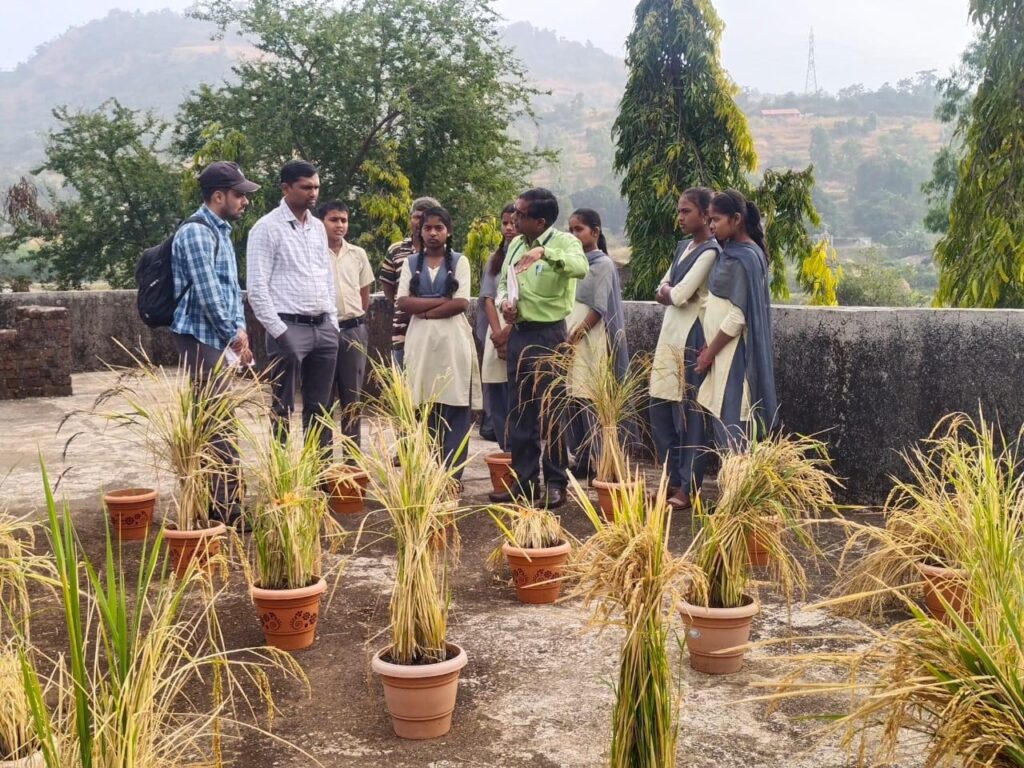
That’s why, when it comes to 1-3 years projects with expectation of behavioural change as an ultimate goal or impact, I find education-based interventions the most promising. They may not deliver immediate results, but they set things in motion for future impact. During one of my assessments in a tribal region, the project aimed to promote organic farming using traditional seed varieties. However, the local tribal farmers, already dealing with losses due to unpredictable weather with marginal land ownership, were hesitant to adopt this approach. Understanding their concerns, the donor and implementers gave each farmer a small portion of hybrid seeds (enough for just one acre) for income generation, while also spreading awareness about the benefits of traditional seed varieties.
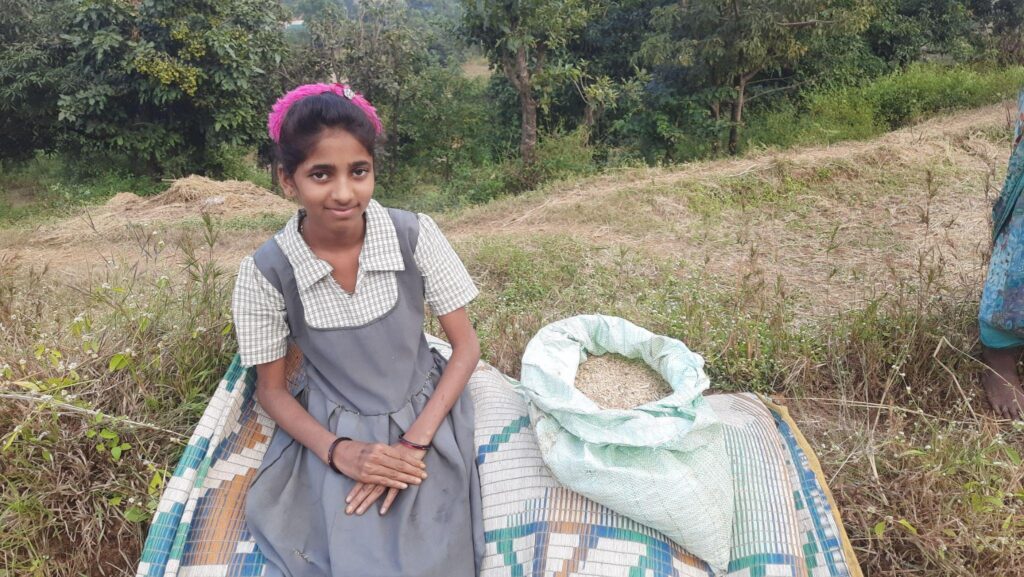
The results were remarkable—those 100 grams of seeds grew into 12-15 kg of produce in three months. This empowered the children, while the tribal farmers began to see the potential of traditional farming methods.
Similarly, in another school development project, students from the cleanliness committee played a key role in influencing their parents to maintain a clean home and backyard.
There are countless examples where projects like these, with a long-term focus, have delivered outcomes far beyond initial expectations. Educational interventions, particularly when aimed at the next generation, can have a powerful ripple effect in both urban and rural settings.
Of course, this doesn’t mean adult-focused interventions should be abandoned related to alcohol consumption and substance abuse, but they need to be more targeted—think individual counselling instead of broad awareness sessions. And when working in tribal areas, it’s important to move beyond just finding ‘problem statements’. There are plenty of positive practices we can learn from them, which deserve to be highlighted too.
written by Anuj Nave, Project Manager, NuSocia