In 2022, working with the Piramal Foundation on the Khelo MP project alongside the Directorate of Public Instructions, Government of Madhya Pradesh, I went into the field assuming sport in a government school was mainly about producing athletes. Months on the ground changed my mind. Sport, I learned, is first a reason, a reason for a child to show up, a teacher to try something new, a school to believe it can do more with what it already has. And once that reason exists, teamwork, communication, discipline, problem-solving, resilience, leadership, confidence, the skills people now call 21st-century skills, start showing up on the field.
Days were spent travelling between districts, sitting with PTIs, principals and district officials, trying to understand what was holding schools back. The problems repeated everywhere I went, not enough equipment, playgrounds that existed more convincingly on paper than on the ground, and participation, especially among girls, that stayed stubbornly low. My job was to listen, mentor field teams and PTIs, push for institutional support where it was missing, and notice and document the practices that deserved to be seen and repeated elsewhere. These are those small insights that became crucial turning points for these programs on the ground.
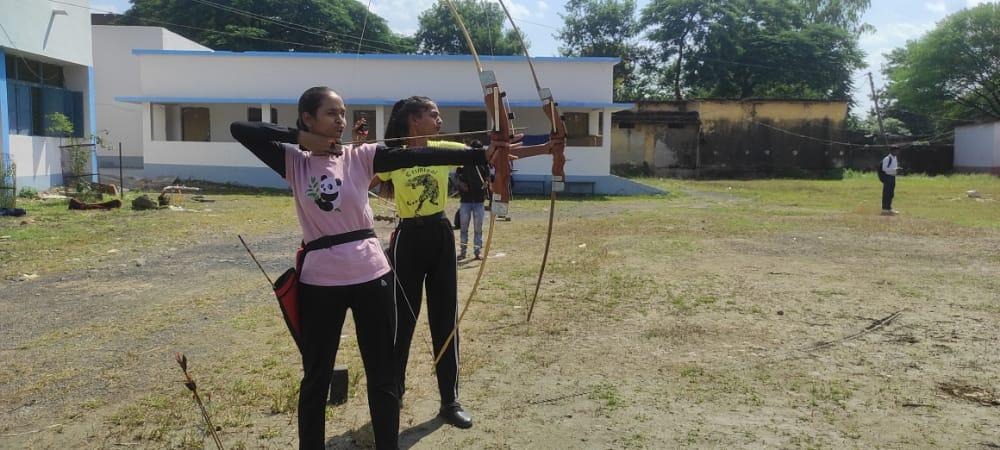
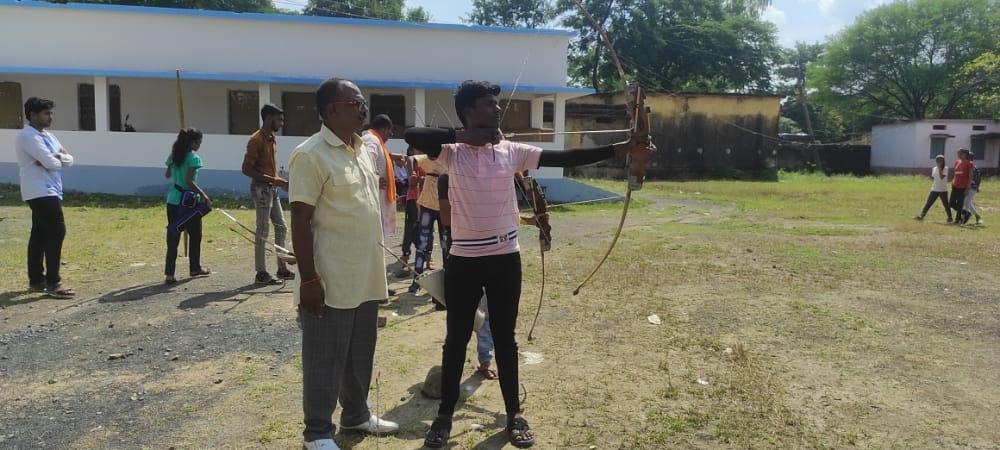
In Ratlam, a PTI Mahendra Singh Solanki built a handball programme for girls that grew from a handful of students to 40–45 regulars, some of whom now compete at the state level. Participation was held because girls who had rarely been chosen for anything were, for the first time, part of a team, and kept returning for that feeling of camaraderie. In Shajapur, Lokendra Singh Tomar started archery with no equipment and open resistance from families who saw no point in it; today around 70 students practise and 13 have qualified for national competitions, and the turn came once archery became visible enough for parents to see it as an opportunity rather than a distraction. In Jabalpur, Sarika Singh turned rope skipping into a serious discipline with almost no infrastructure and produced state and national champions, while Rakesh Srivas worked patiently with a group of girls in hockey until they reached the state level. Different sports, different obstacles, one common practice worth replicating: a teacher who started with whoever showed up, built an infectious passion around a sport, and focused on the feeling rather than the output. The teachers kept at it long enough for participation to become a habit rather than an event.
A large part of my work went into building the capacity of PTIs themselves, because one motivated teacher can only carry a sport so far without support to run it well. Through state-level workshops for CM RISE and other schools, we covered physical literacy, age-appropriate activities, child development, sports nutrition, injury management, and hands-on exposure to athletics, hockey, softball, kho-kho, kabaddi and badminton. Workshop after workshop, and the subject teachers now standing in for them, grow visibly more confident running these sessions on their own.
The structure behind this training is worth recognising in its own right. It began with a State Resource Group of Coaches and PTIs, trained through a Training of Trainers. From there, 10 PTIs per division were trained as Master Trainers, who then went on to train others in their own divisions alongside District Sports Officers, District Education Officers and Joint Directors (Education). It is a model built to outlast any one person, instead of stopping at “we trained the PTIs,” it builds PTIs who can themselves train the next batch. The five-day residential format mattered for the same reason. Many participants were subject teachers with additional charge of sports rather than trained PTIs, often handling a hockey stick or a bow for the first time, and five days of living and training together was what let them move from reading about a sport to genuinely believing they could teach it, not just familiarity with the equipment, but a real sense that sport was worth their time. That said, it’s a fair question whether asking subject teachers to also run sports, on top of an already full teaching load, is sustainable. It worked in the batches, but largely because of how intensive that residential training was, and it would need real institutional backing, not just goodwill, to hold at scale.
Khelo MP’s clearest lesson for me is that passionate teachers do not stay effective on their own for long, they need a system behind them. In Madhya Pradesh, that system took a specific shape, defined sports calendars, planned activities, grants and resources, and the Master Trainer cascade described above. It was to help build pieces of that system: the conditions in which a teacher could spot potential in a child, a child could simply show up and participate, and that early spark could be given room to grow.
For me, the real success of this work was not only about the students who reached state or national competitions, though I am proud of every one of them. It was watching government schools stop treating limited resources as a reason to wait and start treating them as a starting point, ‘let’s make the best use of what we have’ replacing ‘we don’t have enough.’ That change in mindset, and the quiet confidence it built in children, especially girls, is what makes my time with Khelo MP one of the most meaningful chapters of my professional life so far.
Every teacher in this story, Solanki Sir with his handball players, Tomar Sir with his archers, Sarika Ma’am and Rakesh Sir with rope skipping and hockey, was, without necessarily naming it, already teaching something bigger than the sport itself: discipline, teamwork, problem-solving, and the confidence to keep showing up. That is the real case for investing in school sport, not as a pipeline to medals, but as one of the most natural, everyday platforms we have for building the skills children will carry well beyond the playground.
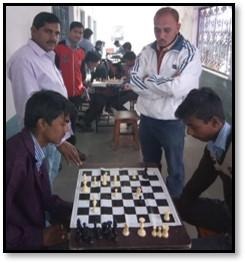
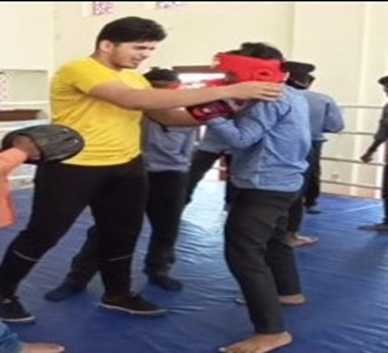
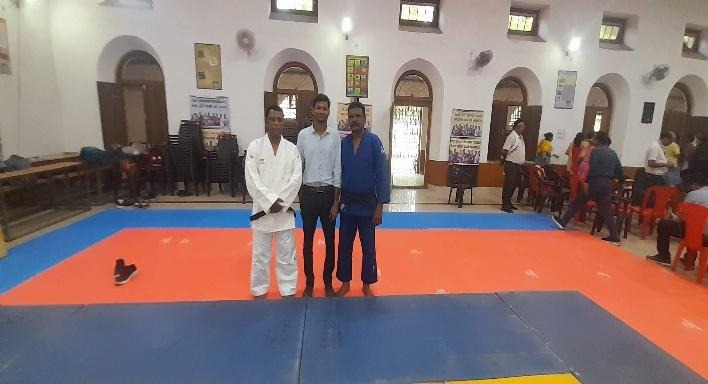
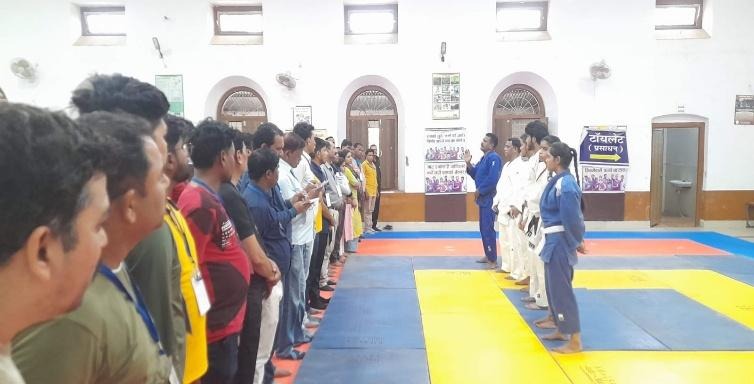
FIELD PHOTOGRAPHS
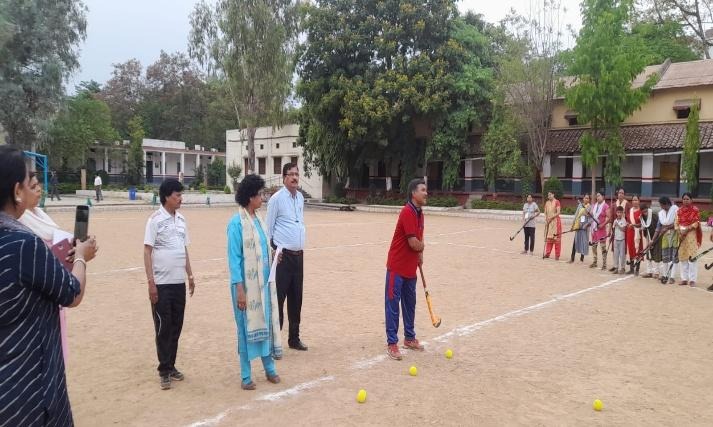
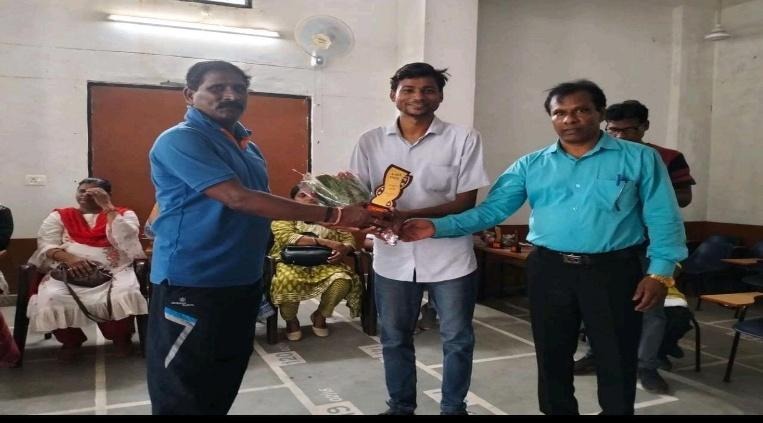
Sports participation and girls’ engagement in team sports School-level sports activity and
“The real impact of sports is not only measured by medals, but by the opportunities and confidence created for every child.”